
1. Running feet of joinery — not carpet area
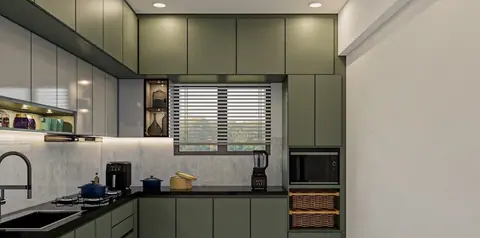
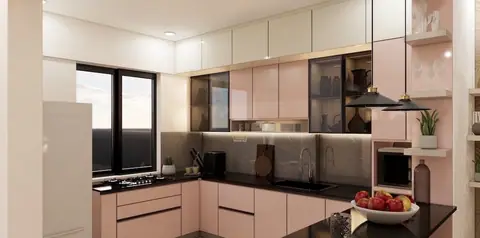
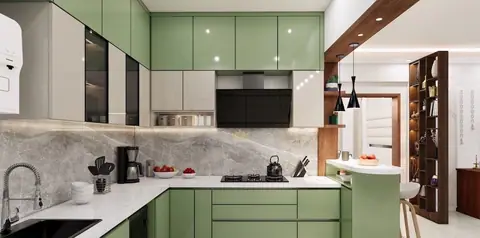
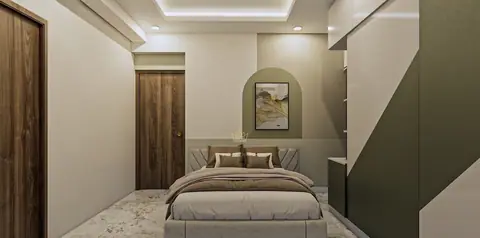
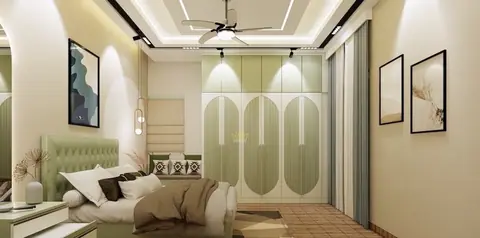
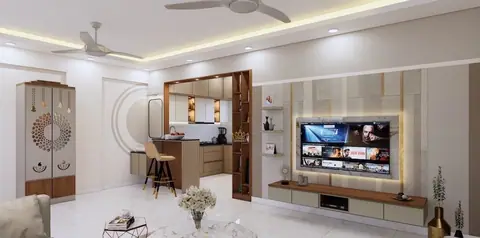
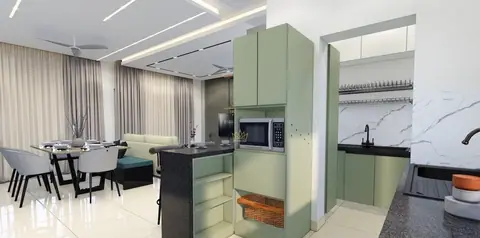
Interiors are priced by what is built, not by the size of the floor. A compact flat with four wardrobes, a full modular kitchen, a crockery unit and a TV unit will cost more than a larger flat with two wardrobes and an open living room. When you compare quotations, compare the running feet included before anything else.
2. Specification level
The same drawing, executed in BWR ply with 0.8mm laminate and basic hinges, versus BWP ply with 1mm textured laminate and soft-close hardware throughout, is a genuinely different number. Neither is dishonest. But if one quotation does not name the grade and the brand, you are not comparing like with like.
3. How much is made rather than bought
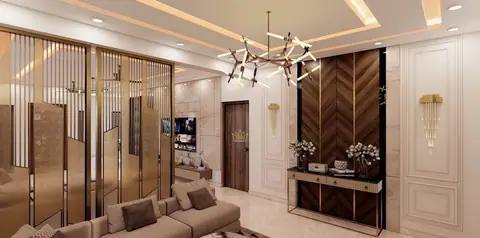
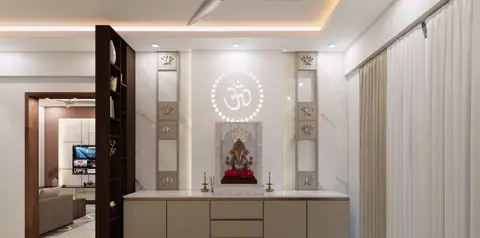
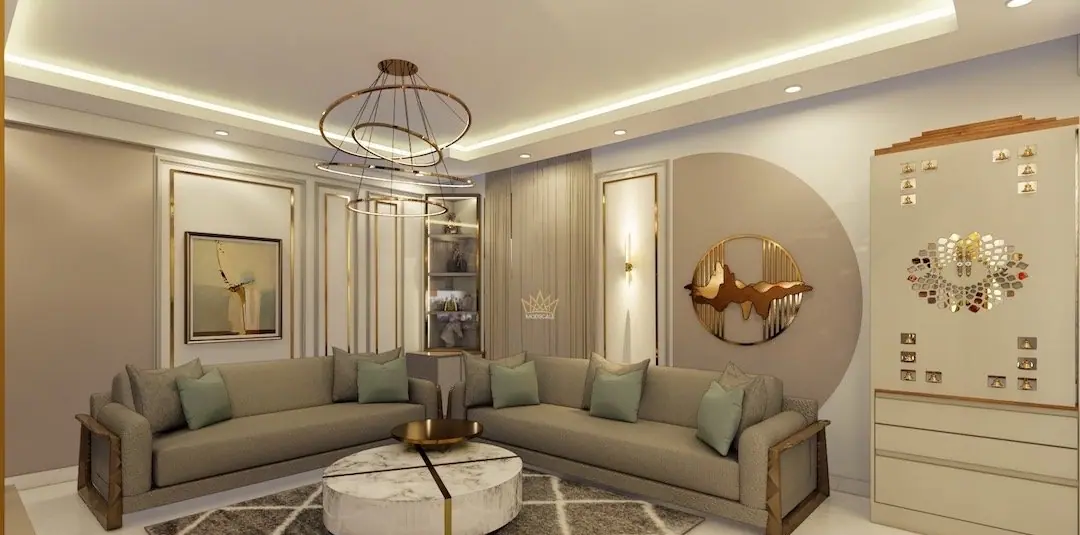
Modular units built to standard module sizes are efficient. Pieces drawn for one specific wall — a curved reception unit, a bespoke bed back, a fitted bar — are not, and that is where luxury budgets go. This is a legitimate choice, not waste; it is simply the largest single lever on the total.
4. Site conditions
Walls out of square, floors out of level, a plumbing point that has to move, a shaft where a cabinet was drawn. All of it is labour, and labour is cost. This is why a studio that quotes a firm number over the phone, before seeing your home, is quoting a number that will change.
What does not move the number much
Warm 2700–3000K lighting instead of cool white. CRI 90+ instead of unrated. Soft-close hinges in the rooms you use daily. Edge banding done properly. Sealed sink cut-outs. These are the cheapest good decisions in an interior project and the ones most visible in daily life.
How to read a quotation
Ask for it line by line: unit, size in running feet, board grade, shutter finish, hardware brand. Then ask what is excluded — false ceiling, painting, electrical, plumbing changes, loose furniture, curtains, appliances. The exclusions are where the surprises live.
Want this applied to your own home? Start a project or read the material library.