
What "modular" actually means
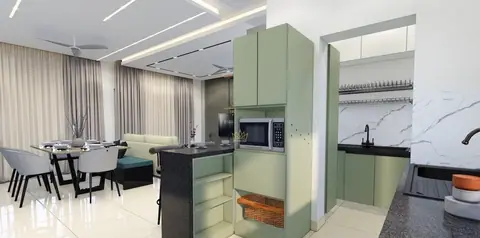
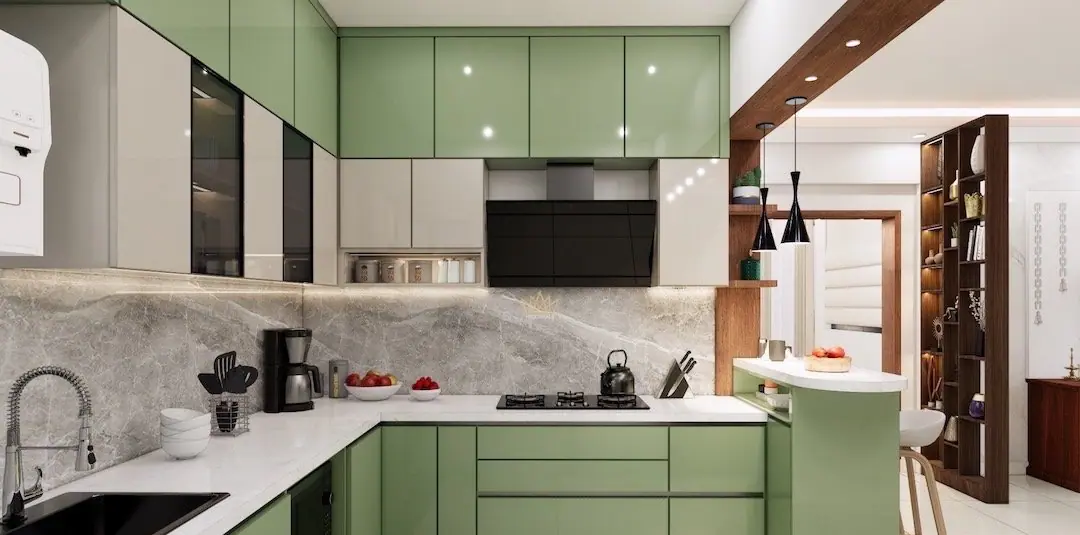
Modular joinery is cut, edge-banded and drilled on a factory machine to standard module sizes, then assembled on site. The precision comes from the machine: square panels, consistent edge banding, drilled hinge positions that repeat exactly.
What you gain is finish consistency, speed on site, far less dust and noise in your home, and the ability to dismantle and move a unit later. What you give up is total freedom of dimension — modules come in steps, and an odd corner may need a filler.
What on-site carpentry is good at
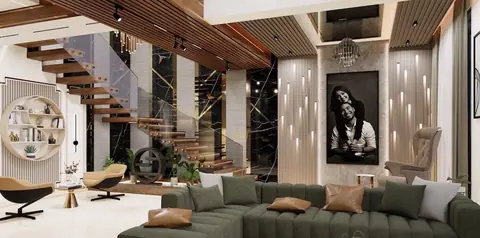
A skilled carpenter can build to any dimension, follow an out-of-square wall, and produce shapes a machine cannot: a curved bed back, a niche that follows a beam, a piece fitted around a service duct.
What you give up is consistency. The quality is exactly as good as the specific person doing it that week, edge banding is applied by hand and is the first thing to fail, and your home becomes a workshop for weeks.
The honest comparison
Finish consistency — modular wins clearly. Odd dimensions and curves — carpentry wins clearly. Speed on site — modular, by a wide margin. Dust, noise and living through it — modular, again. Repeatability across twelve doors — modular. Cost — closer than people assume once you specify the same board grade and hardware for both; carpentry often looks cheaper because it is quoted with lower-grade board.
Longevity — this comes down to edge banding and hardware, not to the method. Machine edge banding on all four edges is the single biggest predictor of whether a shutter survives ten Bengaluru monsoons.
What most good homes actually do
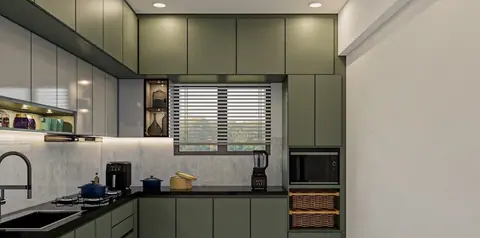
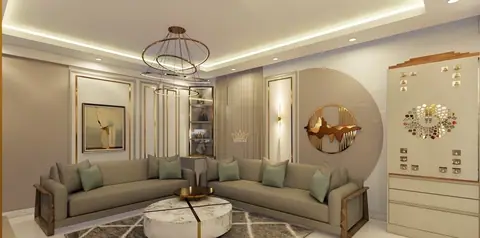
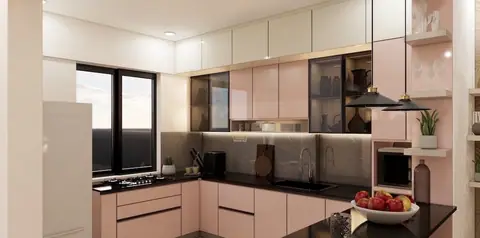
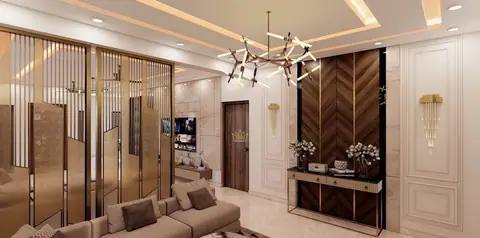
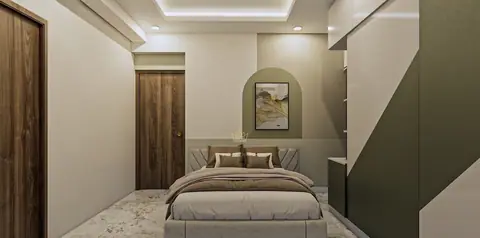
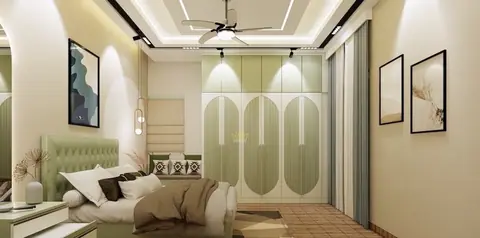
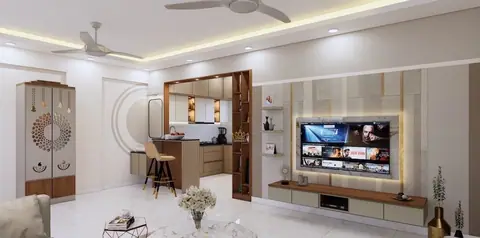
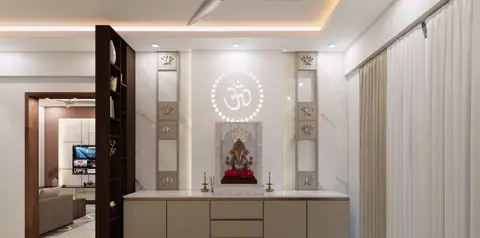
Use both, deliberately. Modular for everything repeatable and rectilinear — kitchens, wardrobes, storage, study units, vanities. On-site or bespoke workshop carpentry for the pieces that are one-offs: a bed back, a bar, a curved reception unit, panelling that has to follow a wall.
The mistake is choosing one method for the whole house on principle. The other mistake is letting the method be chosen by whoever is cheapest that week.
Questions that settle it for your home
Are your walls square, and are your ceiling heights consistent? Do you need to live in the home while the work happens? How many identical units are there? Is there a shape in the design that a machine cannot make? Do you expect to move within five years, and would you want to take the joinery with you?
Answer those five and the split usually decides itself.
Want this applied to your own home? Start a project or read the material library.